CastMe

Mír

An exiled composer hears his own music somewhere he never expected.

Ireland · 2024 · 4 min

The full film plays on Brian Benjamin Dwyer’s YouTube channel.

One piece of music. Two cities.

A recording session in Prague gave Dwyer and composer BK Pepper a narrow window to make a film. It also gave them the music that holds it together.

Prague · Music

The recording gave the film its story
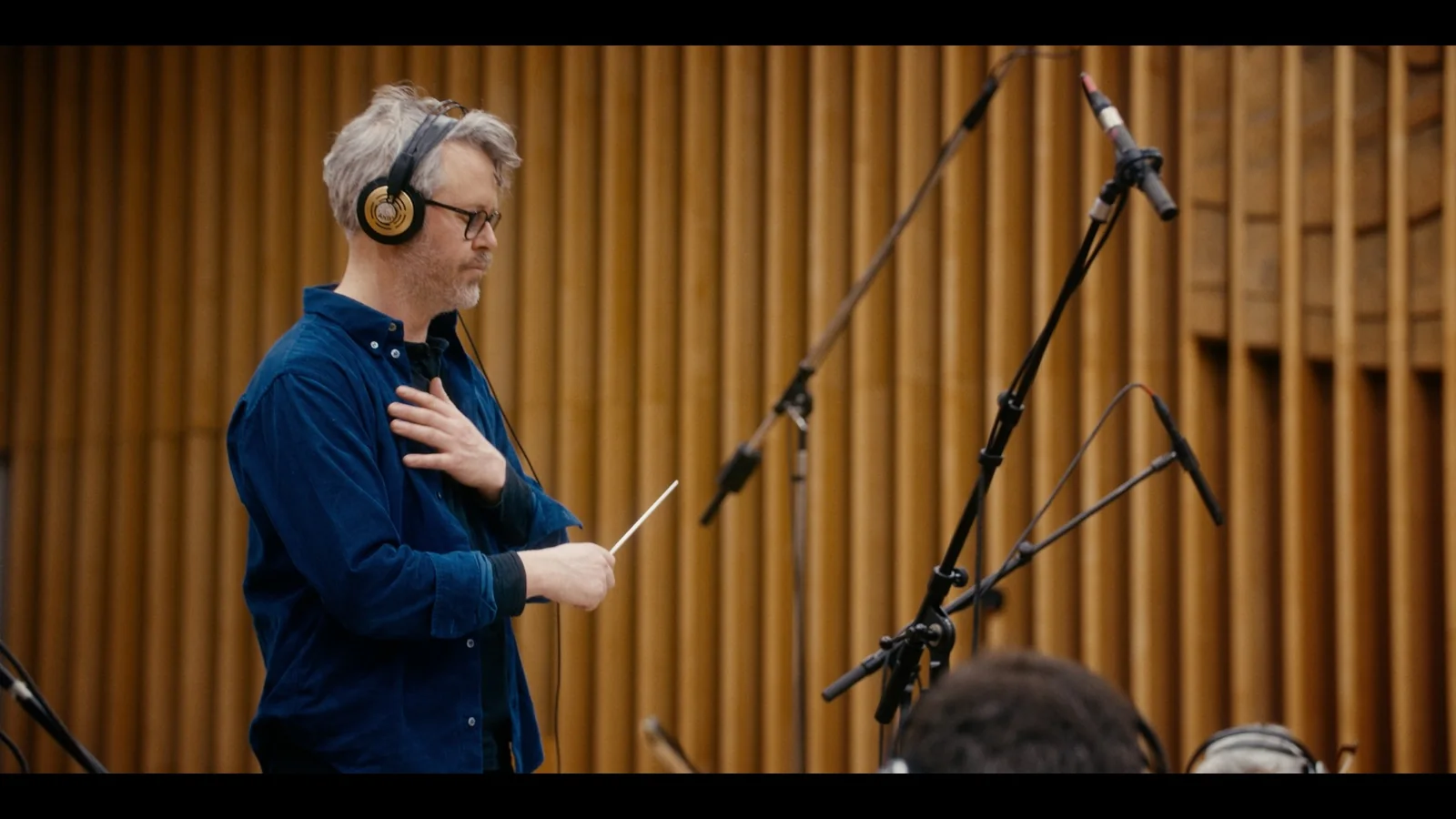
BK Pepper conducting in the Prague recording studio, headphones on, hand on his chest.
BK Pepper in the Prague studio. Still from Mír. Tap a number.
  1. 1

    Hand on his heart

    Pepper conducts with one hand pressed to his chest. Watch for the same gesture from Ger FitzGibbon in Cork: Ger watched these Prague scenes before his own shoot and copied some of Pepper’s gestures.

  2. 2

    Conducting his own music

    Pepper composed the piece Jiří Hájek hears in the film, and recorded it in this session in Prague.

  3. 3

    The music came first

    This recording session is where Mír began. Pepper asked Dwyer to pull a story together around the footage, and the film was written to fit the music.

  4. 4

    Directed from France

    Brian Benjamin Dwyer wasn’t in the room. He watched a livestream from France and gave directions, while Antimo, the videographer, texted him images of the camera screen over WhatsApp.

BK Pepper was heading to Prague to record, with a videographer, and asked Brian Benjamin Dwyer whether he could pull a story together to make the most of the footage. “That’s how Mír was born,” Dwyer says. Dwyer wrote a story about a fictional composer hearing a piece he thought he had lost during the Second World War. Pepper composed that piece and recorded it in Prague.

The recording serves two purposes. It is music for the audience and something the character can recognise. Pay attention to when your understanding of the piece changes as you watch.

Read how Dwyer describes the recording
Composition and performance
BK Pepper
Prague camera
Antimo Puka

France → Prague · Direction

Directing Prague from France

Dwyer was in France when they filmed, so he directed the Prague recording remotely. He watched a livestream and gave Antimo, the videographer, directions from it, while Antimo texted him images of the camera screen over WhatsApp. “It was an interesting process,” Dwyer says, “but I don’t think it would be my preferred method.”

Dwyer’s account of directing remotely
Director
Brian Benjamin Dwyer
Camera angles from the studio
Antimo Puka

Casting · Two ages

Two performers, one composer

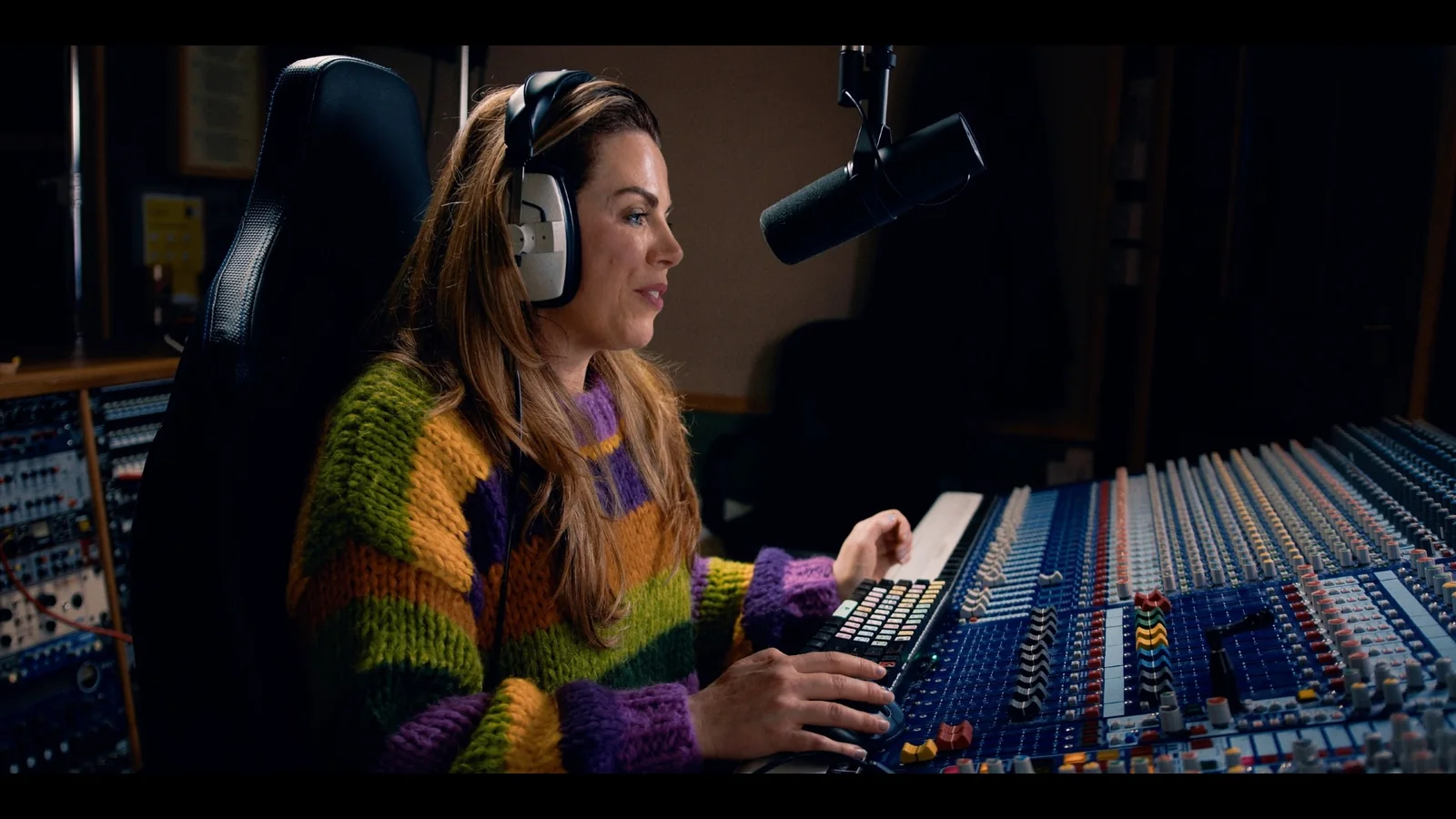
Sinéad O’Riordan at a radio studio desk in headphones, speaking into the microphone.
Sinéad O’Riordan in Mír.

Ger FitzGibbon came to the film through Sinéad O’Riordan. “I knew who Ger was, but it hadn’t crossed my mind to cast him until Sinéad said it,” Dwyer says, “and he was absolutely perfect.” Pepper plays Jiří Hájek as a younger man, FitzGibbon as an older one.

The resemblance is a starting point. The audience also needs to connect the younger man’s work with the older man’s reaction. On a second watch, look at what each performer does with his attention when the music is at the centre of the scene.

Dwyer on the casting
Older Jiří Hájek
Ger FitzGibbon
Younger Jiří Hájek
BK Pepper

Cork · Performance and edit

Three hours at St Peter’s

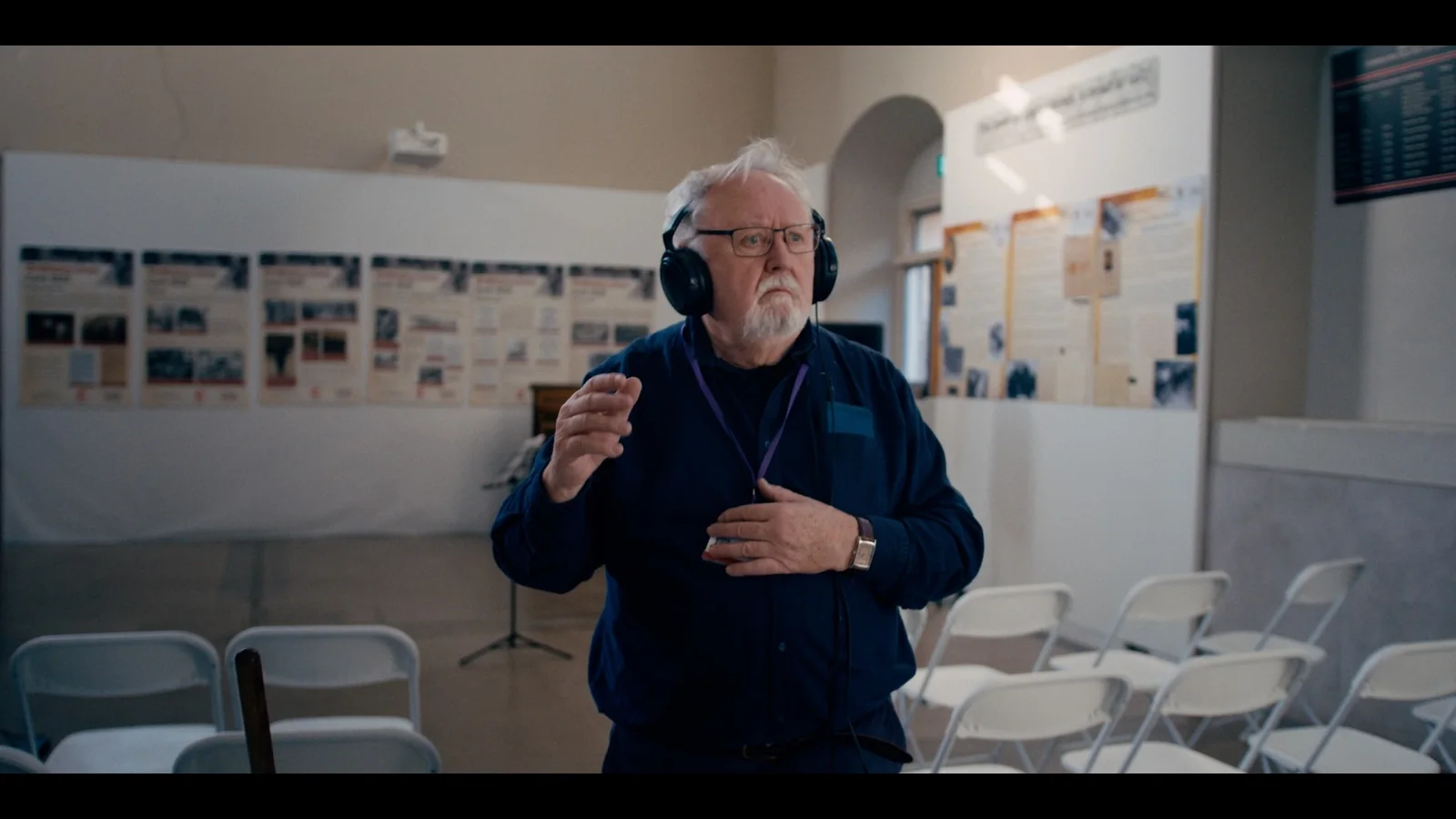
Ger FitzGibbon as the older Jiří Hájek, listening on headphones among rows of white chairs at St Peter’s, Cork.
Ger FitzGibbon at St Peter’s, Cork. Still from Mír. Tap a number.
  1. 1

    The same hand

    Compare Pepper in Prague, hand pressed to his chest. Ger studied Pepper’s footage first and copied some of his gestures, so the younger and older Hájek move alike.

  2. 2

    Keeping time

    His other hand keeps time in the air, the way Pepper’s baton does in the studio.

  3. 3

    Hearing it again

    Like Pepper in Prague, he listens on headphones: the older composer hearing music he never expected to hear again.

  4. 4

    St Peter’s, Cork

    The exhibition boards of St Peter’s on North Main Street, where the Cork scenes were shot in about three hours.

Pepper’s Prague scenes were shot before the Cork shoot, so FitzGibbon could watch them first and copy some of Pepper’s gestures. Look for the same hand movements in both men. The Cork shoot at St Peter’s on North Main Street took about three hours.

Dwyer also edited the short. After watching the film, follow one passage of music through a cut between the two ages. That is where a shoot divided by geography becomes a single memory for the audience.

See Madra Mór’s release and credits
Irish-unit camera and edit
Brian Benjamin Dwyer
Production
Self-funded

Who’s who

Madra Mór Media / Moonland Media

Writer, director, editor & producer

Brian Benjamin Dwyer

Runs Madra Mór Media, the production company he founded in 2013 with Emily Firth Dwyer. His screenplay Wireless won the inaugural David and Patsy Puttnam Award at the Fastnet Film Festival in 2021. Mír won him Best Director at the Beara Film Festival in 2025.

Madra Mór Media

Younger Jiří Hájek · composer & producer

BK Pepper

Bryan Kevin Pepper is a composer and producer from Dublin whose work spans film, television, the concert hall and his own albums. He scored the feature Swing Bout with the Czech National Symphony Orchestra, and wrote and recorded the music at the heart of Mír.

bkpepper.com

Older Jiří Hájek

Ger FitzGibbon

A Cork writer and director, and a former head of drama and theatre studies at UCC. His plays include Ghostlight and The Four-Faced Liar, and his debut novel, Songs for a Burning City, is set on the night Cork burned in 1920.

Irish Examiner on Ger

The radio host

Sinéad O’Riordan

A Cork-born producer and actor, and a founding member of Screen Cork, set up to make Cork a film-making hub. She produced the feature Swing Bout at Páirc Uí Chaoimh. It was Sinéad who suggested Ger for Mír.

The Echo on Screen Cork

Production credits

Writing, direction & editing
Brian Benjamin Dwyer
Producers
BK Pepper and Brian Benjamin Dwyer
Camera · Irish unit
Brian Benjamin Dwyer
Camera · Prague unit
Antimo Puka
Original music
BK Pepper

Credits follow the film’s poster and Brian Benjamin Dwyer’s account of the shoot. Poster and stills supplied by Brian Benjamin Dwyer for CastMe.

Credit and production sources