CastMe

Good Pasture

A storm keeps a priest alone in his church. Then a visitor arrives.

Ireland · 2026 · 15 min · Animated horror

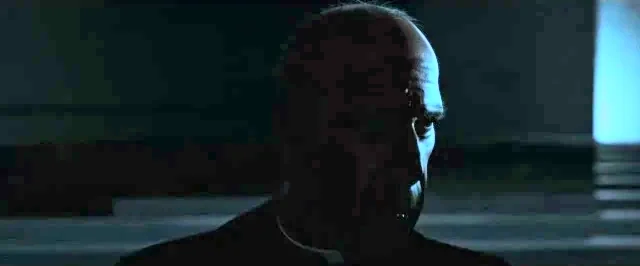
The priest in silhouette, with a bright window to the right and the edge of his face lit.
Film frame

The window tells us where the light is coming from even as the priest’s expression disappears.

Ben Moran · YouTube

A church built one shot at a time.

Go from the animatic to the lit render with Ben Moran’s three production walkthroughs. Then listen to the real pipe organ and the sound design that give the digital church a sense of scale.

Production diary · 1

Draw it, then find the rhythm
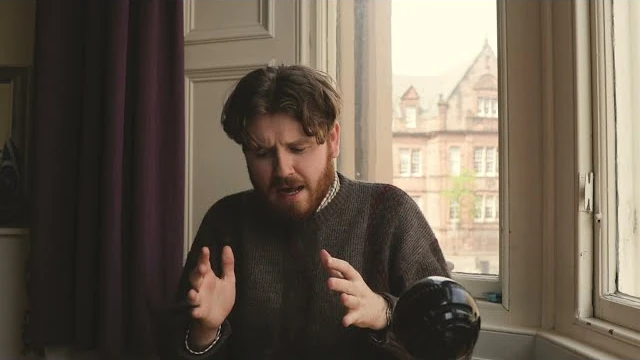
Ben Moran speaking beside a tall window in the design walkthrough.
Design walkthrough

Moran’s first walkthrough follows the move from look development to boards and an animatic.

Ben Moran · YouTube

Moran’s first walkthrough follows look development, storyboards and the animatic. The boards record what a shot needs to show. In the animatic those drawings gain duration, so a scene can be judged as a sequence before each image is built and lit.

The story hinges on a visitor whose presence arrives in stages. In an animatic, one practical question is how long to hold on the priest before cutting away. Spend the first watch with the film and use Moran’s walkthrough to see what can be worked out at the drawing stage.

Watch Moran’s storyboard and animatic walkthrough
Process
Look development, boards and animatic
Production diary · 2

Light the edge of a face

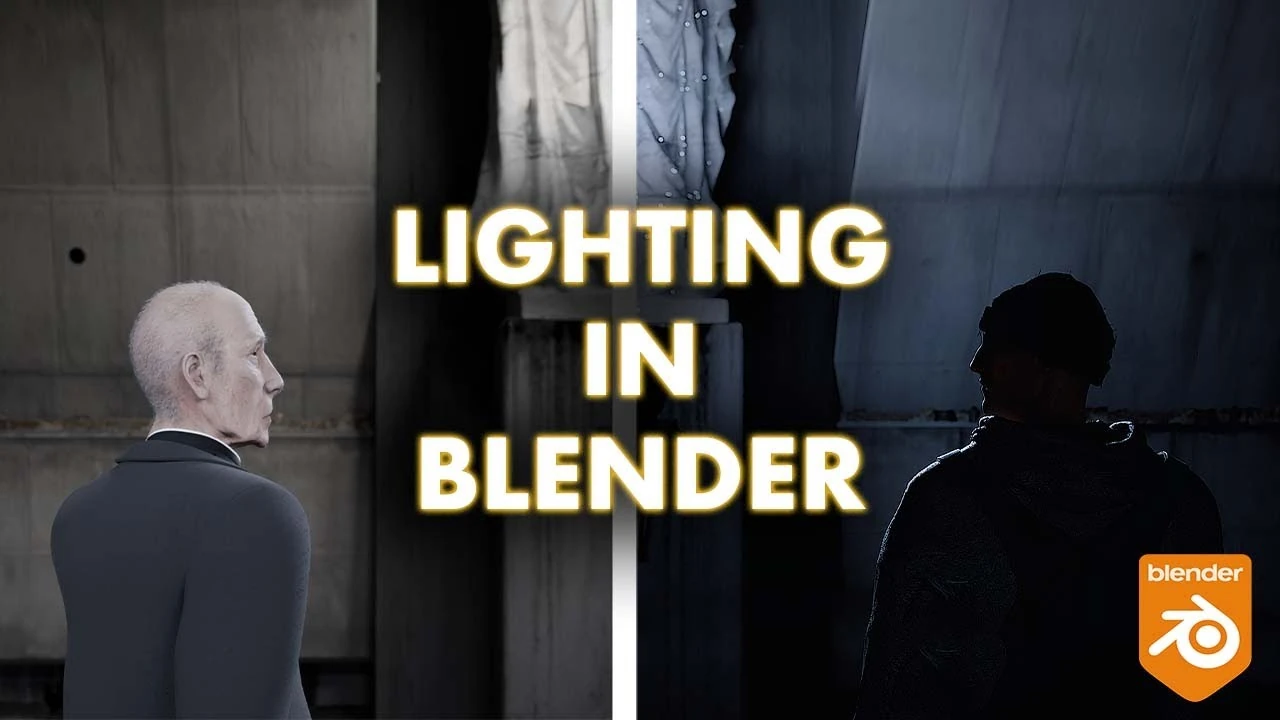
Ben Moran’s lighting walkthrough cover with a face lit on the left and a figure in shadow on the right.
Lighting walkthrough cover

Moran uses examples to show how the lighting changes what you can read in a shot.

Ben Moran · YouTube
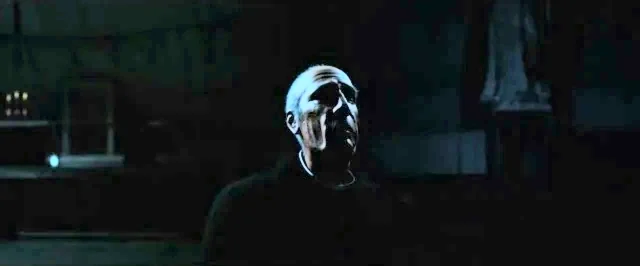
The priest alone against the dark interior of the church, with pale light catching his head.
Film frame

A small pool of light picks out the priest. Most of the church stays out of view.

Ben Moran · YouTube

The second walkthrough moves from Blender’s light controls to examples of building the light in a shot. The cover makes the question immediate. One face catches light and the other figure drops into shadow. Both figures are present, but the image gives you more information about one of them.

The finished film puts that idea to work in the church. A little light separates the priest from the dark behind him. In the frame at the top of this feature you can place the window even when you can barely read his expression. Look at what the light lets you recognise, then what the shot still leaves out.

Watch Moran light a shot in Blender
Tool
Blender
Walkthrough
Light controls, theory and worked shots

Production diary · 3

From a lit face to a face in darkness

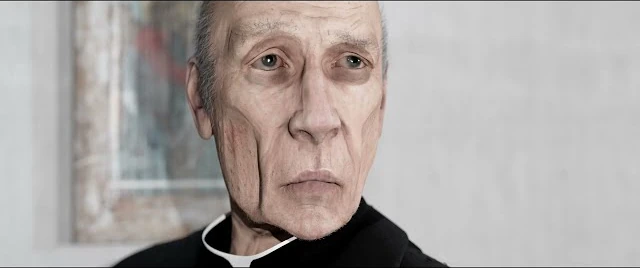
A brightly lit rendering of the priest’s face in Ben Moran’s visual realism walkthrough.
Realism walkthrough

In Moran’s realism walkthrough, the priest’s face is shown in bright light. Compare the texture you can read here with what survives in the finished film’s shadows.

Ben Moran · YouTube
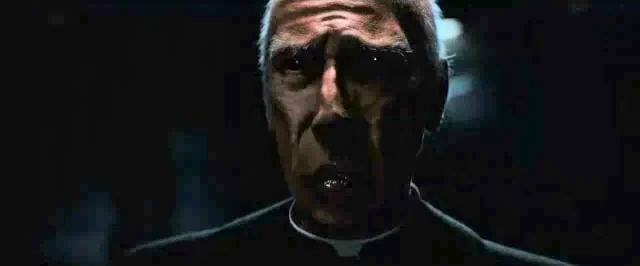
A closer view of the priest’s face, with light catching the top of his head and the folds of his skin.
Film frame

The closer frame keeps the surrounding church dark and makes the face carry the shot.

Ben Moran · YouTube

In Moran’s walkthrough on CG realism, there is a bright view of the priest. The audience has time to take in the creases around his mouth, the collar and the changing tones of the skin. In the film frame beside it, there is far less light to read those details by.

These are two views of the character. Follow the eyebrow, cheek and collar across them. You can see how much of a face can disappear and still feel present. The darker image uses the lit fragments to give the actor’s voice a body in the room.

Watch Moran’s CG realism breakdown
Walkthrough
CG realism and practical examples

Score and sound

A real organ for a digital church

Moran says Reuben Harvey composed, orchestrated and performed the main piece on a working pipe organ in Ireland. A four-track score release lets you hear that music away from the film. Kieran Sheridan is credited separately for sound design.

Listen to the organ note after the attack, when the room is still sounding. Then return to the film and listen to the dialogue against the storm. The music and the weather give you two ways of imagining the rest of the church when the frame offers little more than a face.

Listen to Harvey’s released score
Original music
Reuben Harvey
Sound design
Kieran Sheridan

Cast & crew

Secret Beach Films

Dermot Crowley

The Priest

Jack Meade

The Visitor

Production credits

Direction & production

Writer, director & producer
Ben Moran
Visual effects supervisor
Ben Moran

Sound & music

Original music
Reuben Harvey
Sound design
Kieran Sheridan

The cast and crew listing uses Jack Meade for this film. Please Do Not Disturb credits him as Jack Mullarkey.

Credit and production sources
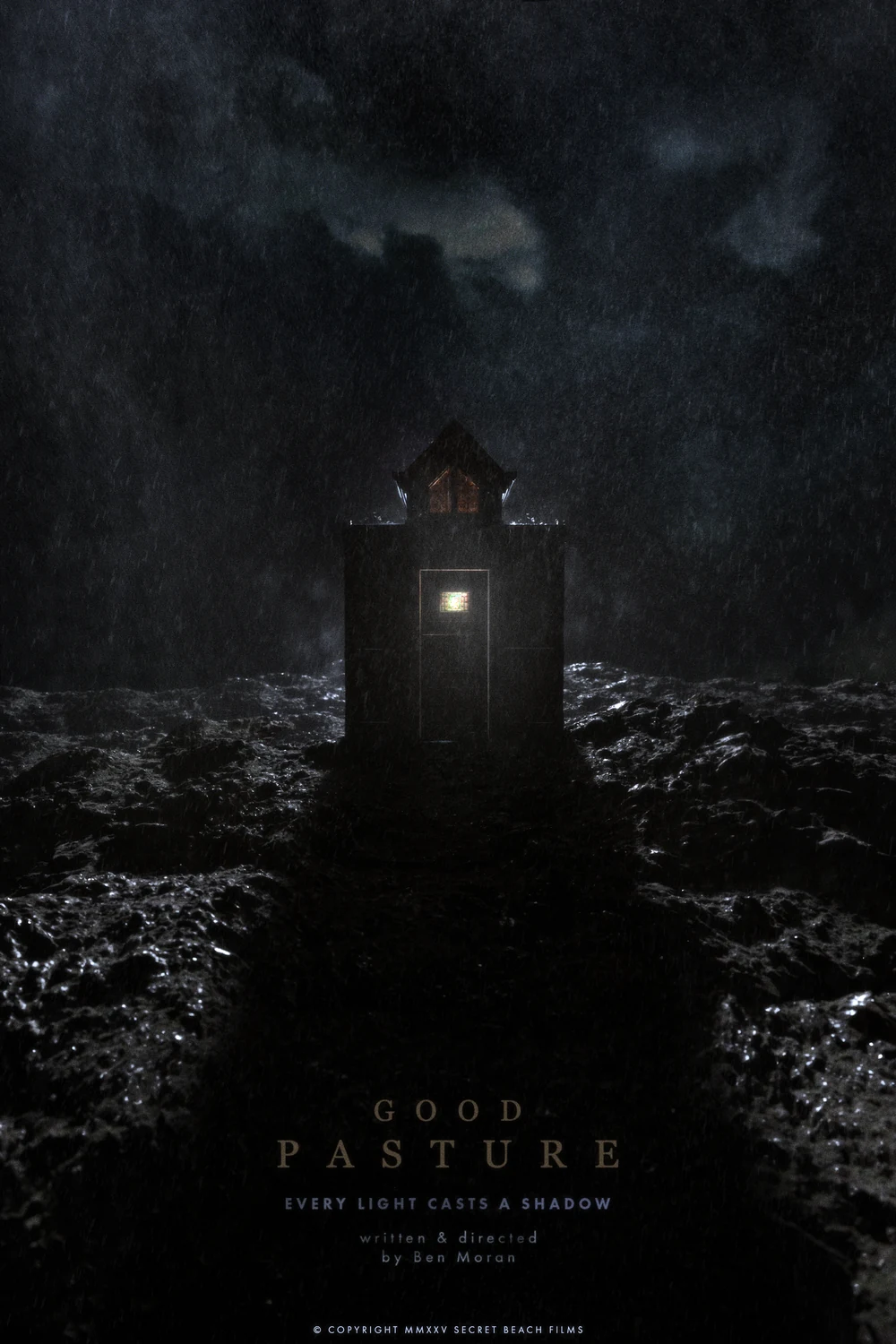
Official Good Pasture poster showing one illuminated window in a small structure beneath a stormy sky.
Official poster · Secret Beach Films